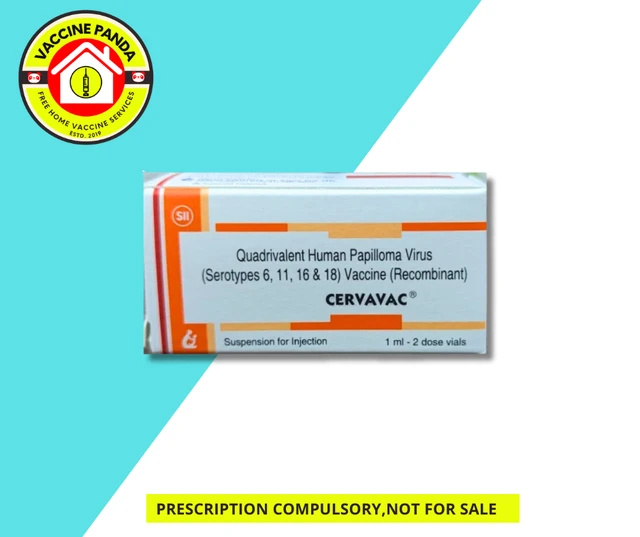



Cervavac is a 4-valent recombinant HPV vaccine designed to protect boys and girls aged 9-26 years against Human Papillomavirus (HPV) strains 6, 11, 16, and 18. These HPV strains are responsible for causing cervical, vulvar, vaginal, anal, oropharyngeal, and other head and neck cancers, as well as genital warts and precancerous lesions. Cervavac offers comprehensive protection against some of the most common and dangerous HPV-related diseases.
🧬 4 HPV Strains - Complete Coverage
What Diseases Does Cervavac Prevent?
Comprehensive Cancer & Disease Prevention
Cervavac protects against multiple HPV-related cancers and diseases:
Cervical Cancer
HPV 16 & 18 cause ~70% of all cervical cancers
Vulvar Cancer
Protection against vulvar cancers caused by HPV
Vaginal Cancer
Prevention of vaginal cancers linked to HPV
Anal Cancer
Protects both males and females from anal cancer
Oropharyngeal Cancer
Prevents throat and mouth cancers caused by HPV
Head & Neck Cancers
Protection against HPV-related head and neck cancers
Genital Warts
HPV 6 & 11 cause ~90% of genital warts
Precancerous Lesions
Prevents abnormal cell changes that can lead to cancer
Who Should Get Cervavac?
✓ Recommended for Both Boys & Girls
- Age range: 9 to 26 years
- Girls & women: Protection against cervical, vulvar, vaginal, anal, and oropharyngeal cancers
- Boys & men: Protection against anal, oropharyngeal, and head & neck cancers
- Best age for vaccination: 11-12 years (before sexual activity begins)
- Catch-up vaccination: Available for those who missed vaccination at younger ages (up to 26 years)
Why Vaccinate Before Sexual Activity?
HPV vaccination is most effective when given before exposure to the virus. Since HPV is transmitted through sexual contact, vaccinating before sexual activity begins provides maximum protection. However, even those who are already sexually active can benefit from the vaccine.
💉 Dosing Schedule by Age
2-Dose Schedule
- Dose 1: Initial dose
- Dose 2: 6-12 months after first dose
- Why 2 doses? Younger immune systems respond robustly with just 2 doses
- Note: If second dose is given before 5 months, a third dose is needed
3-Dose Schedule
- Dose 1: Initial dose
- Dose 2: 1-2 months after first dose
- Dose 3: 6 months after first dose
- Why 3 doses? Older individuals need additional dose for optimal immunity
Administration Details
How Cervavac is Given
- Route: Intramuscular (IM) injection
- Injection site for children & adults: Deltoid muscle (upper arm)
- Alternative site for younger children: Anterolateral thigh
- Dose volume: 0.5 mL per dose
- Storage: Refrigerated at 2-8°C; do not freeze
Side Effects
✓ Safe & Well-Tolerated
Cervavac has an excellent safety profile with millions of doses administered worldwide. Most side effects are mild and temporary.
Common Side Effects (Mild & Temporary)
- Injection site reactions: Pain, redness, or swelling at the injection site (most common)
- Headache: Mild to moderate headache
- Fatigue: Temporary tiredness
- Mild fever: Low-grade temperature elevation
- Dizziness: Brief lightheadedness (usually resolves quickly)
- Nausea: Mild stomach discomfort
Note: These side effects typically resolve within 1-2 days. Fainting can occur after vaccination (especially in adolescents), so it's recommended to sit for 15 minutes after injection. Severe allergic reactions are extremely rare.
⚠️ IMPORTANT: Vaccination Does NOT Replace Screening
- Continue regular screenings: Cervavac does not eliminate the need for routine cervical cancer screenings (Pap smears, HPV tests)
- Not 100% protection: The vaccine protects against 4 HPV types, but there are other oncogenic HPV types
- For women: Continue regular gynecological check-ups and Pap smears as recommended by your doctor
- For men: Discuss anal cancer screening with your healthcare provider if at high risk
- Comprehensive approach: Vaccination + screening = maximum protection
Pregnancy and Lactation
⚠️ Not Recommended During Pregnancy
- Pregnancy: Cervavac is NOT recommended during pregnancy. If pregnancy occurs after starting the vaccine series, remaining doses should be postponed until after delivery.
- Pregnancy testing: Not required before vaccination, but avoid vaccination if pregnant
- Lactation: Can be given during breastfeeding - the vaccine is considered safe for nursing mothers
- Planning pregnancy: Complete the vaccine series before conception if possible
Special Considerations
Immunocompromised Individuals
Cervavac should be used with caution in immunocompromised individuals, including those with:
- HIV/AIDS: Can receive vaccine but may have reduced immune response
- Cancer treatment: Patients undergoing chemotherapy or radiation
- Immunosuppressive medications: Those on steroids or other immune-suppressing drugs
- Organ transplant recipients: May have reduced vaccine effectiveness
- Recommendation: Consult with healthcare provider to determine best timing and approach


